
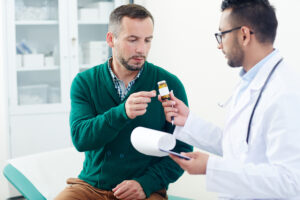




HIV remains a major public health concern globally, including in Singapore. Advances in medicine have made it a manageable condition, but early diagnosis is key. The earlier the virus is detected, the better the outcomes for both individual health and community safety.
Knowing when to get an HIV test is just as important as knowing where. Whether you’re sexually active, starting a new relationship, or prioritizing your health, regular testing ensures early detection, timely treatment, and peace of mind.
This article explains when and why to get tested in Singapore, covering risk factors, window periods, types of tests, and what to expect during the process.
Understanding HIV and Its Transmission
HIV attacks the immune system by targeting CD4 cells, weakening the body’s ability to fight infection. Left untreated, HIV can progress to Acquired Immunodeficiency Syndrome (AIDS), a late-stage condition characterized by severe immune suppression.
HIV is transmitted through:
- Unprotected sexual contact (vaginal, anal, or oral)
- Sharing contaminated needles or syringes
- Blood transfusions with infected blood (extremely rare in Singapore due to strict screening)
- From mother to child during pregnancy, childbirth, or breastfeeding
It cannot be spread through casual contact such as hugging, shaking hands, or sharing food and drinks.
Why HIV Testing Is So Important
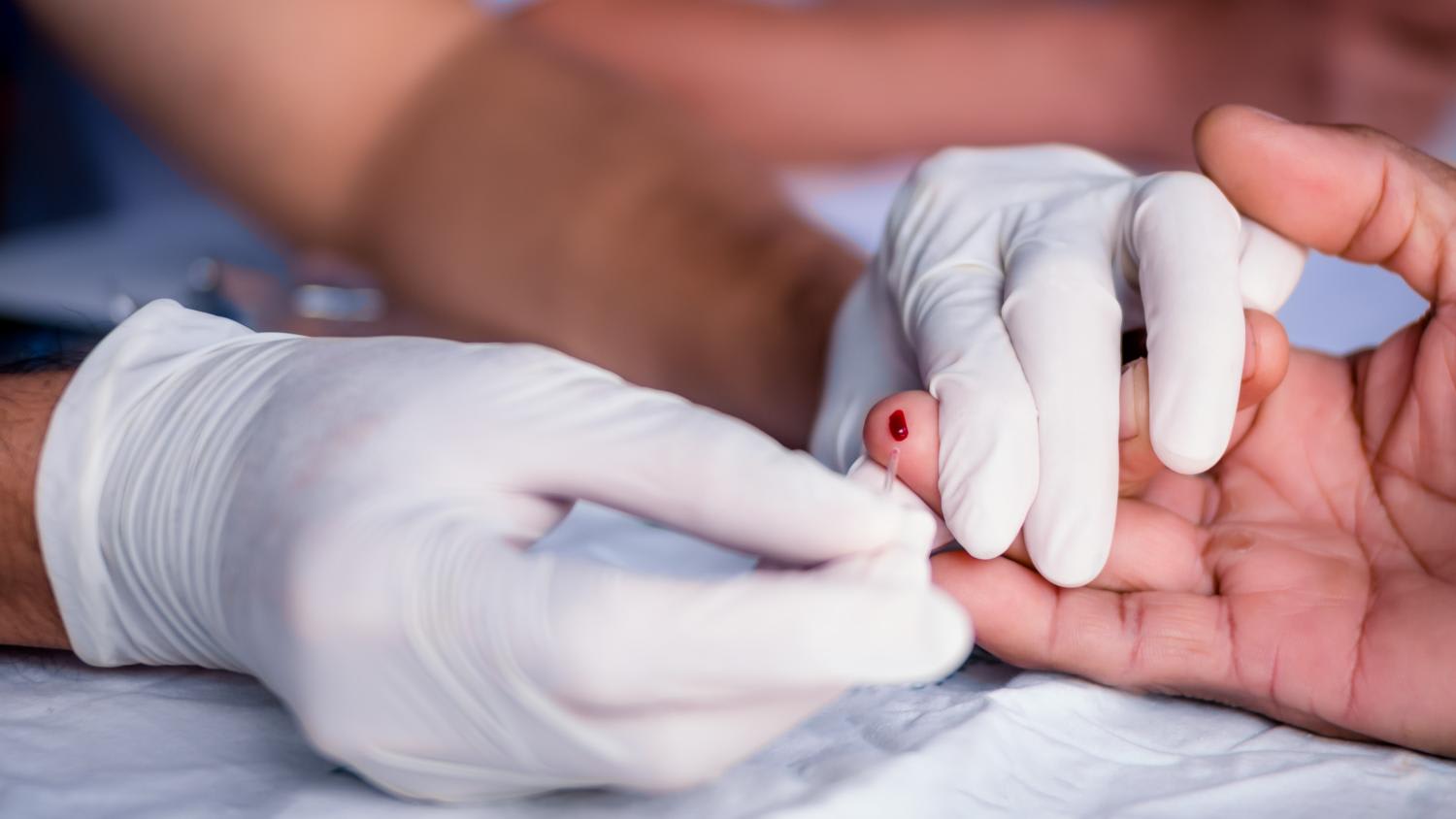
From a medical standpoint, testing is not just about diagnosing infection—it’s about prevention, protection, and empowerment.
- Early Detection Saves Lives: Early treatment allows individuals with HIV to live long, healthy lives with undetectable viral loads.
- Protecting Partners: Knowing your status helps prevent unintentional transmission.
- Reducing Anxiety: Testing provides clarity and peace of mind.
- Access to Preventive Care: A negative result can lead to discussions on preventive options like PrEP (pre-exposure prophylaxis).
When You Should Get an HIV Test

Here are some scenarios in which you should consider getting an HIV test:
1. After Unprotected Sexual Activity
If you’ve engaged in unprotected vaginal, anal, or oral sex with a partner whose HIV status is unknown to you, getting tested is a crucial next step.
Common reasons for seeking an HIV screening include instances of condom failure, such as breakage, or forgetting to use protection during a casual encounter. It’s always better to be safe and get tested if you’re uncertain.
2. After Exposure to Potentially Infected Blood
You should seek immediate medical advice and testing if you have been exposed to potentially contaminated blood. This includes situations like sharing needles or syringes for any reason.
Additionally, getting tattoos or piercings in unregulated or unhygienic settings where equipment might not be properly sterilized also poses a risk. Accidental contact with infected blood in any scenario warrants prompt medical attention.
3. After a Partner Tests Positive
If your sexual partner has recently tested positive for HIV, it is essential to get tested yourself as soon as possible.
This initial test provides a baseline, and your healthcare provider will likely recommend follow-up tests during the recommended window period to confirm your status, as the virus can take time to become detectable.
4. During Routine Health Screenings
For sexually active individuals, it’s wise to make HIV testing a standard part of your regular health check-ups.
Doctors often encourage screening once or twice a year, depending on your circumstances. This is particularly important if you have multiple sexual partners or engage in activities that carry a higher risk of transmission, as routine screening helps ensure early detection.
5. Before Starting a New Relationship
Getting tested before entering a new sexual relationship is a responsible step that promotes transparency and trust between partners.
It allows both individuals to have an open conversation about their sexual health and make informed decisions together regarding protection, prevention, and overall care.
Understanding the HIV “Window Period”

One of the most common misunderstandings about HIV testing is the concept of the window period—the time between exposure to the virus and when it can be reliably detected by tests.
- Antibody Tests: Detect antibodies your body produces in response to HIV. These may take 3 to 12 weeks after exposure to appear.
- Antigen/Antibody (4th Generation) Tests: Detect both HIV antibodies and the p24 antigen, which appears earlier. These can reliably detect HIV 2 to 6 weeks after exposure.
- PCR (Nucleic Acid) Tests: Detect the virus itself and can identify infection as early as 10 to 14 days after exposure.
Doctors often recommend retesting at the three-month mark to confirm a conclusive result, even if an early test comes back negative.
Common Testing Methods in Singapore

1. Rapid HIV Tests
These provide results within 20 minutes using a finger-prick blood sample. They are ideal for individuals seeking quick answers.
2. Laboratory-Based HIV Tests
These involve sending a blood sample to a laboratory for analysis, offering the highest accuracy, especially during early infection stages.
3. Anonymous HIV Testing
Anonymous testing means no personal information is recorded. You’re identified only by a code, ensuring complete privacy. Singapore’s Ministry of Health authorizes specific clinics to provide this option.
4. Confidential Testing
Confidential testing requires personal details for medical records, but results remain private under strict confidentiality laws.
How Often Should You Get Tested?
Medical professionals typically recommend the following schedules based on individual risk:
| Risk Level | Suggested Testing Frequency |
|---|---|
| Low Risk (monogamous relationship, consistent protection) | Every 12 months |
| Moderate Risk (occasional unprotected encounters) | Every 6 months |
| High Risk (multiple partners, inconsistent protection, drug use) | Every 3 months |
Even if you have a low-risk profile, incorporating HIV testing into your annual health routine is a proactive measure that supports your overall well-being.
What Happens During an HIV Test
Step 1: Consultation
The doctor discusses your medical and sexual history, explains testing options, and helps you choose the right test based on exposure time and risk level.
Step 2: Sample Collection
Blood or oral fluid samples are collected. The process is quick and painless.
Step 3: Testing
Depending on the method, results can be available in minutes (rapid test) or a few days (lab test).
Step 4: Results and Counseling
If the result is negative, the doctor may recommend follow-up testing after the window period.
If the result is positive, confirmatory testing and counseling are provided immediately, with referrals for treatment and support services.
After the Test: What to Do Next
If Your Result Is Negative
- Continue practicing safe sex.
- Consider preventive medications such as PrEP if you’re at ongoing risk.
- Schedule regular check-ups for continued protection.
If Your Result Is Positive
- Remember that HIV is treatable. Modern antiretroviral therapy (ART) allows patients to live long, healthy lives.
- Follow your doctor’s guidance for confirmatory testing and treatment.
- Inform recent partners discreetly so they can also get tested.
- Seek emotional and mental health support; counseling services are available and confidential.
Barriers That Prevent People from Testing—and How to Overcome Them

Fear of Judgment
Many people avoid testing because they fear stigma. Remember that healthcare professionals are trained to handle STD and HIV testing with complete discretion and professionalism.
Misconceptions About Risk
Some individuals believe they are not at risk because they appear healthy or trust their partner’s status. However, HIV often shows no symptoms for years, making testing the only reliable way to know.
Worry About Privacy
All clinics that provide HIV testing in Singapore must comply with strict confidentiality policies. Anonymous options are available if you prefer complete privacy.
Cost Concerns
Testing costs vary depending on the type of test and clinic, but many providers offer affordable packages. Some community health centers and initiatives even provide subsidized testing.
The Doctor’s Perspective: Why Regular Testing Is Good Medicine
From a clinical standpoint, HIV testing should be normalized as part of preventive healthcare—just like cholesterol checks or blood pressure monitoring. Doctors emphasize testing not because of suspicion, but because of responsibility.
Routine screening creates a culture of openness around sexual health and reduces the stigma that still surrounds HIV. When testing becomes routine, early detection becomes the norm—and that saves lives.
HIV Testing in Singapore: Little Cross & Anteh Dispensary
For confidential and compassionate HIV testing in Singapore, choose Little Cross Family Clinic (Tampines) or Anteh Dispensary Clinic (Geylang). Both provide discreet HIV and STD testing in private, comfortable settings with empathetic, professional care.
With decades of family medical experience, doctors at both clinics guide patients through testing options, including rapid HIV tests, anonymous testing, and post-exposure prophylaxis (PEP). They offer prompt, reliable medical support without judgment.
Their trusted reputation and patient-centered approach make Little Cross Family Clinic and Anteh Dispensary dependable choices for safe, confidential HIV screening in Singapore.
Opening Hours:
- Little Cross Family Clinic: Mon–Fri: 8:30 AM–3 PM & 7–9 PM | Sat: 8:30 AM–12:30 PM & 7–9 PM | Sun: Closed | PH: 8:30 AM–12:30 PM
- Anteh Dispensary Clinic: Mon–Fri: 9 AM–12 PM, 2–5 PM & 7–11 PM | Sat: 9 AM–12 PM, 1–6 PM & 7–11 PM | Sun/PH: 1–6 PM & 7–11 PM
FAQs
When should you get tested for HIV in Singapore?
Doctors recommend routine HIV screening services if you’ve had unprotected sex, casual sex, or contact with commercial sex workers. You should also get tested for HIV after any possible HIV exposure or when taking pre-exposure prophylaxis. Pregnant women are advised to test early to prevent transmitting HIV to the baby.
What are the different HIV tests available?
Singapore clinics offer HIV antibody tests, rapid HIV tests, and HIV self-test kits to detect HIV antibodies. Each helps identify acute HIV infection or late-stage HIV infection. Testing soon after HIV exposure improves health outcomes through early and effective treatment.
What happens if you test HIV positive?
A positive HIV test result means human immunodeficiency virus (HIV) is detected. Antiretroviral therapy (ART)—a form of HIV medicine—controls the HIV virus, protects white blood cells, and prevents opportunistic infections. With adherence, people living with HIV can lead a long and healthy life.
What if your HIV test is negative?
A negative HIV test result means no infection was detected at the last possible HIV exposure. Continue regular HIV testing, practice HIV prevention methods, and stay informed to stay HIV negative and safe from sexually transmitted infections.
Conclusion
Getting an HIV test in Singapore is a responsible, proactive decision that supports both personal and public health. Doctors recommend testing whenever there’s potential exposure and making it a routine part of your healthcare.
With modern medicine, HIV is no longer a death sentence—it’s a manageable condition when diagnosed early. Confidential and anonymous testing options make the process safe, private, and stress-free.
By normalizing testing and understanding when it’s needed, Singapore can continue building a community where sexual health is prioritized, stigma is reduced, and everyone takes ownership of their well-being. Clinics like Little Cross Family Clinic and Anteh Dispensary Clinic help make that possible through professional, confidential, and compassionate HIV testing services.